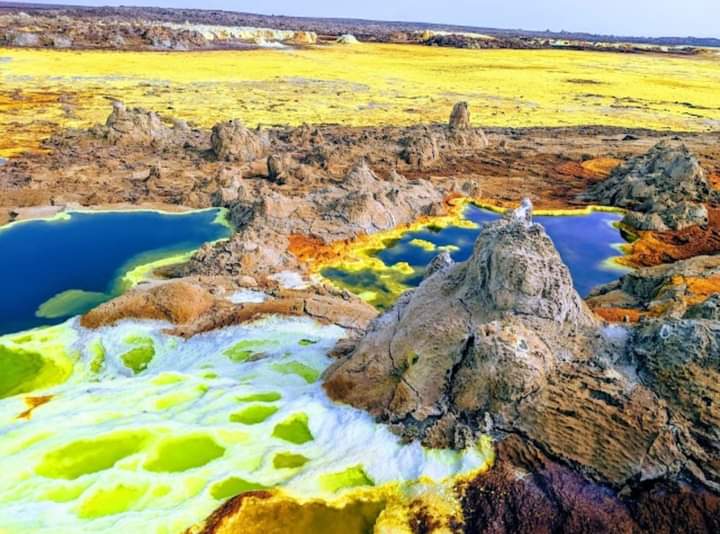
There are landscapes that look beautiful.
There are landscapes that look ancient.
And then there are landscapes that look as though they belong to another planet.
The Danakil Depression in Ethiopia is one of them.
Located in the Afar region of northeastern Ethiopia, the Danakil is one of the lowest-lying areas on Earth and one of the most extreme environments accessible to adventurous travelers. The region sits at the meeting point of three tectonic plates, creating an extraordinary landscape of salt flats, volcanic formations, geothermal activity, and mineral-rich formations.
For travelers searching for an Ethiopia adventure tour, a Danakil Depression tour offers an experience unlike almost anywhere else in the country.
This is not a conventional sightseeing destination.
It is an expedition.
What Makes the Danakil Depression So Extraordinary?
The Danakil Depression is famous for its combination of extreme heat, geological activity, salt landscapes, and volcanic terrain.
Much of the region lies below sea level, while the surrounding landscape has been shaped by tectonic movement and volcanic activity.
The result is a surreal environment where enormous salt flats stretch toward the horizon, volcanic formations rise from the desert, and geothermal areas produce striking colors and mineral deposits.
According to Ethiopia’s official tourism platform, the Danakil is one of the world’s lowest-lying regions and has an average daily maximum temperature of around 41°C.
That extreme environment is part of what makes the journey so memorable.
Erta Ale: Ethiopia’s Famous Volcano
One of the biggest reasons travelers visit the Danakil Depression is Erta Ale.
Erta Ale is a shield volcano rising from the Afar landscape. Its volcanic activity has made it one of the region’s most famous natural attractions.
The volcano’s crater is surrounded by an enormous landscape of black volcanic rock, creating an extraordinary contrast with the surrounding desert.
Getting to Erta Ale is not simply a matter of driving up to a viewpoint.
The approach involves a hike of approximately 10 kilometers toward the crater rim, with the ascent generally planned around cooler hours because of the extreme daytime heat.
For travelers who make the journey, reaching the crater is one of the defining experiences of a Danakil tour.
Dallol: A Landscape of Extraordinary Colors
If Erta Ale represents the volcanic side of the Danakil, Dallol represents its strange and colorful geothermal side.
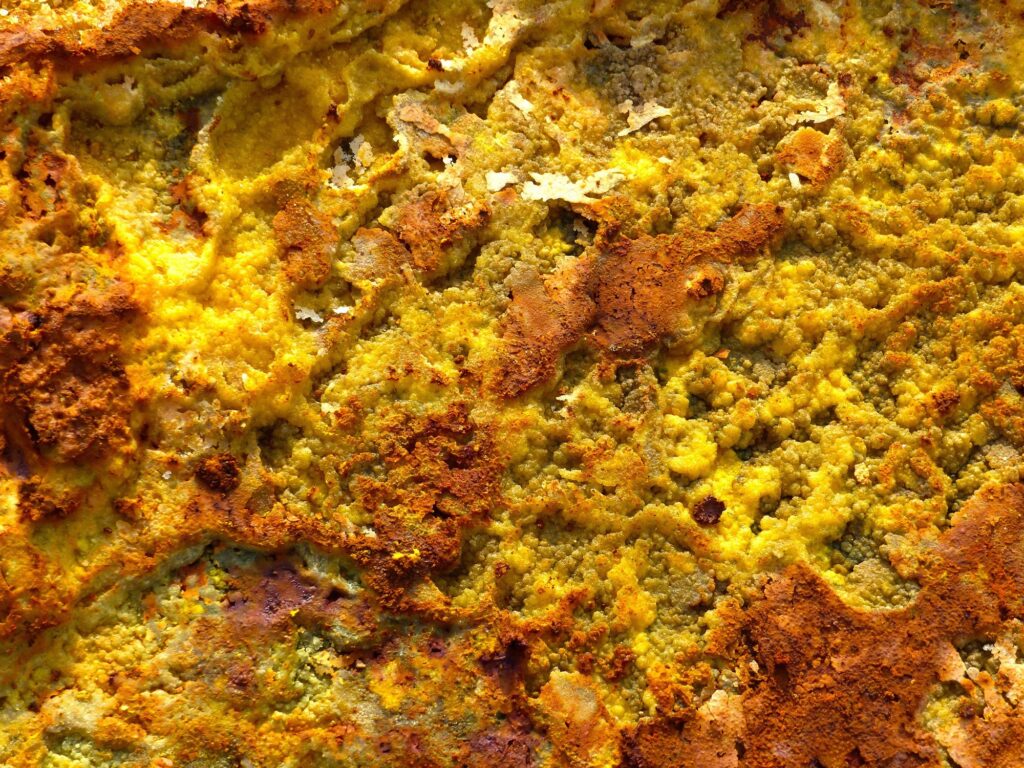
Dallol is famous for its sulfurous pools, mineral formations, salt deposits, and unusual colors.
Greens, yellows, oranges, whites, and other mineral tones appear across the landscape, creating scenes that can look almost unreal.
The colors are not artificial.
They are the result of geological and chemical processes taking place in an environment shaped by extreme heat and volcanic activity.
For photographers, Dallol is one of the most visually distinctive places in Ethiopia.
The Salt Flats of the Danakil
Salt is one of the defining features of the Danakil landscape.
Vast salt flats stretch across the depression, reflecting the region’s geological history and the evaporation of ancient bodies of water.
Salt extraction has also been part of the local economy for generations.
Traditional salt caravans have carried blocks of salt from the lowlands toward the Ethiopian highlands, connecting the remote Afar landscape with communities farther inland. Ethiopia’s official tourism information specifically highlights the transportation of salt by camel caravans from the region.
Seeing this landscape gives travelers a different perspective on the relationship between people and one of the harshest environments in Ethiopia.
Lake Afdera
Another important destination in the Danakil region is Lake Afdera.
The lake lies below sea level and is closely associated with salt production.
Its surroundings provide another striking contrast within the Danakil: after traveling through vast dry landscapes, travelers encounter a large body of water surrounded by desert.
The area also has hot springs, providing another unusual experience in one of Ethiopia’s most extreme environments.
The Afar People and the Danakil
The Danakil Depression is not an empty desert.
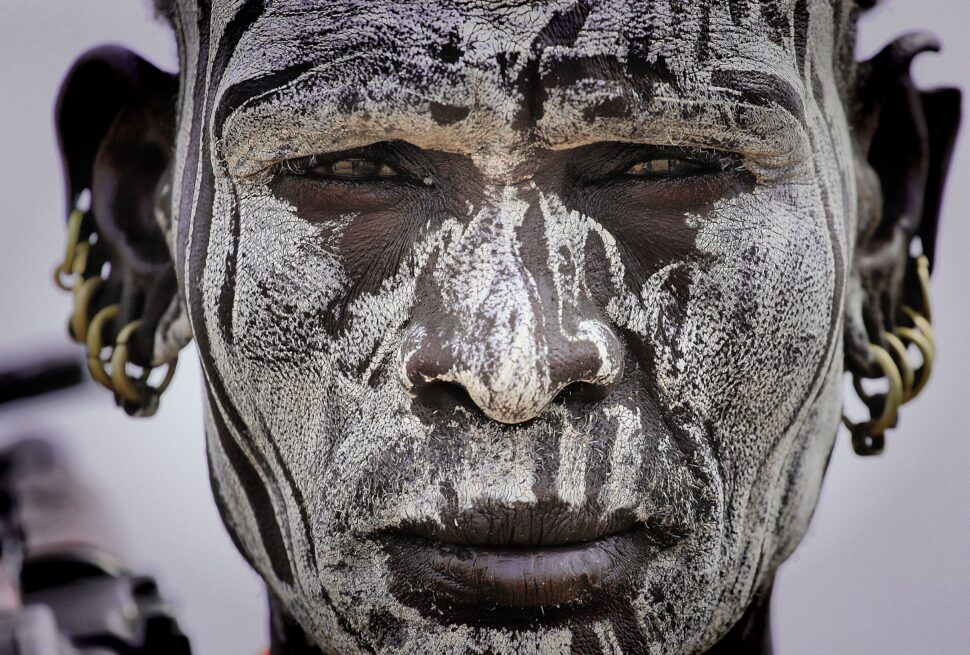
It is home to the Afar people, whose communities have adapted to one of the harshest environments in the Horn of Africa.
Understanding this human side of the Danakil makes the journey much more meaningful.
The desert is not simply a geological attraction.
It is a place where people live, travel, trade, and maintain traditions adapted to extreme environmental conditions.
A knowledgeable local team can help visitors understand the region and interact respectfully with local communities.
Is the Danakil Depression Safe?
The Danakil is a genuine expedition destination.
The combination of extreme heat, remoteness, difficult terrain, and limited infrastructure means that it should not be approached like a normal city tour.
Ethiopia’s official tourism platform specifically recommends experienced operators familiar with the region and notes that many areas require 4×4 vehicles and experienced navigation.
This is exactly why choosing an experienced tour operator matters.
A proper Danakil itinerary needs careful planning around:
- Transportation
- Heat
- Water
- Accommodation or camping
- Local logistics
- Road conditions
- Hiking conditions
- Timing of activities
- Local guides and support staff
How Many Days Do You Need for a Danakil Tour?
A proper Danakil expedition generally requires several days.
The official tourism platform states that a full organized tour requires a minimum of two nights, with additional nights recommended for travelers who want more time at Erta Ale or Lake Afdera.
The exact itinerary depends on where you begin, the current road conditions, and the destinations you want to include.
Many journeys begin from Mekelle or Semera, while organized tours can also be arranged from Addis Ababa.
What Should You Bring?
Because of the extreme conditions, preparation matters.
Travelers should be prepared for:
- Very high temperatures
- Strong sunlight
- Long drives
- Walking on rough terrain
- Limited facilities
- Dust and volcanic terrain
- Remote environments
Lightweight clothing, sun protection, sturdy footwear, adequate water, and appropriate personal supplies are important.
Your tour operator should provide specific preparation instructions before departure.
Who Should Visit the Danakil Depression?
The Danakil is particularly suited to travelers who want:
- Adventure
- Extreme landscapes
- Volcanoes
- Photography
- Geological experiences
- Remote destinations
- Unique Ethiopian landscapes
- Multi-day expeditions
It is less suitable for travelers looking for a relaxed holiday with short driving distances and comfortable urban facilities.
The challenge is part of the experience.
Why Explore the Danakil With a Local Tour Operator?
The Danakil is not a destination where improvisation is a good strategy.
Local knowledge matters.
An experienced operator understands the roads, local communities, logistics, vehicles, timing, and conditions required to move through the region.
That allows travelers to focus on the experience rather than worrying about every logistical detail.
Experience Ethiopia at Its Most Extreme
The Danakil Depression is difficult to describe because it does not resemble the Ethiopia many first-time visitors imagine.
There are no medieval churches here.
No crowded city streets.
No green highland scenery.
Instead, there are volcanic landscapes, salt deserts, geothermal formations, extreme heat, and vast open horizons.
It is raw, remote, and extraordinary.
If you want to see a side of Ethiopia that few conventional holidays can offer, the Danakil Depression belongs on your itinerary.
Plan Your Danakil Depression Adventure
Landscape Ethiopia Tours can organize personalized journeys through Ethiopia, including adventure experiences in the Danakil Depression.
Phone: +251 91 338 4298
Email: info@landscapeethiopiatour.com
Website: landscapeethiopiatour.com