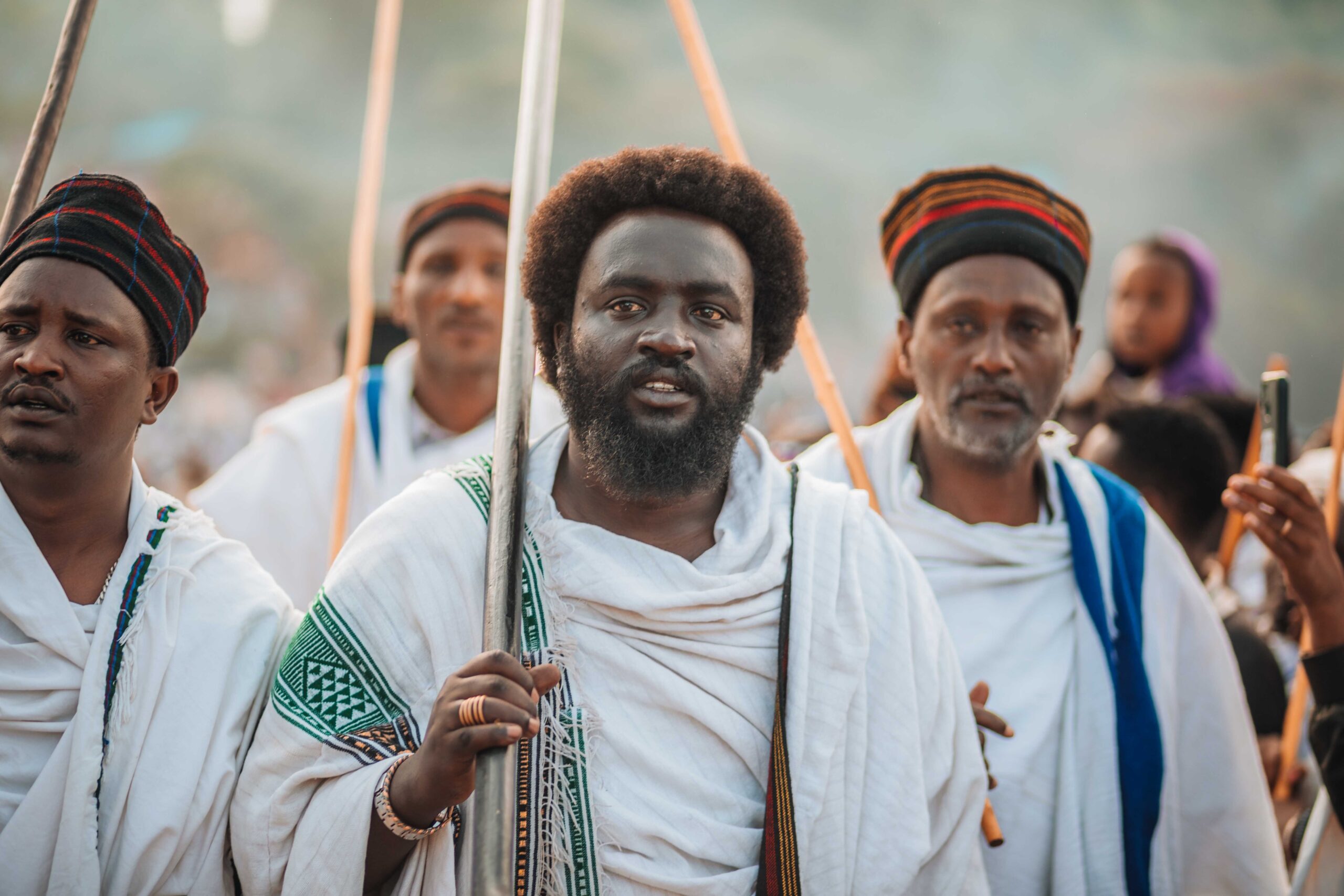
If you want to see a side of Ethiopia that goes far beyond the country’s famous historic cities, Southern Ethiopia is where the journey becomes especially diverse.
Southern Ethiopia brings together extraordinary cultural traditions, highland landscapes, lakes, wildlife, rural communities, traditional markets, and some of the most fascinating destinations in the country.
A journey can begin around Arba Minch, continue through Konso, and eventually reach the culturally diverse landscapes of the Omo Valley.
The further south you travel, the more dramatic the changes become.
Different landscapes.
Different communities.
Different languages.
Different traditions.
And different ways of adapting to the environment.
For travelers searching for an authentic Southern Ethiopia tour, this region offers an opportunity to experience Ethiopia beyond the standard tourist route.
Why Visit Southern Ethiopia?
Southern Ethiopia is difficult to reduce to one attraction.
Its strength is variety.
A single itinerary can include:
- Lakes
- Wildlife
- Mountains
- Traditional villages
- Local markets
- Ancient cultural landscapes
- Indigenous communities
- Food and coffee
- Photography
- Road adventures
- Omo Valley cultural experiences
This makes Southern Ethiopia especially attractive to travelers who want a journey rather than a collection of isolated sightseeing stops.
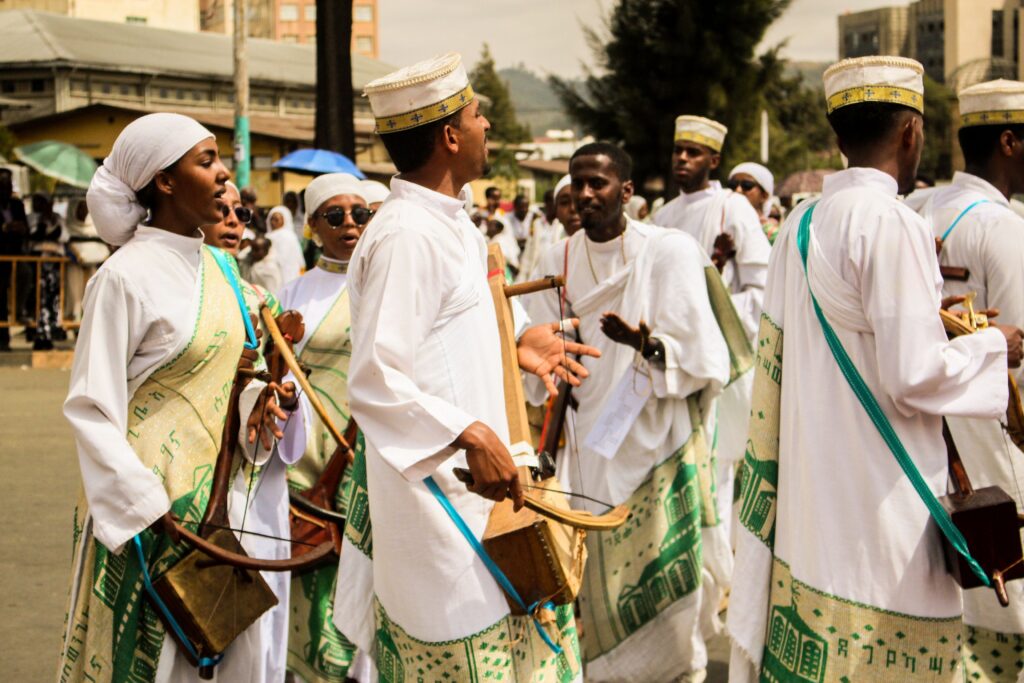
Arba Minch: Gateway to Southern Ethiopia
Arba Minch is one of the most important bases for exploring southern Ethiopia.
The city sits in a spectacular landscape between lakes and mountains, making it an ideal transition point between the Rift Valley and the cultural destinations farther south.
Nearby attractions include Lake Chamo, Lake Abaya, Nech Sar National Park, and the Dorze highlands.
The landscape around Arba Minch is particularly beautiful because of the contrast between water, mountains, forests, and open valleys.
For travelers arriving from Addis Ababa, Arba Minch provides a dramatic change of scenery.
Lake Chamo and Wildlife
Lake Chamo is one of the best-known natural attractions near Arba Minch.
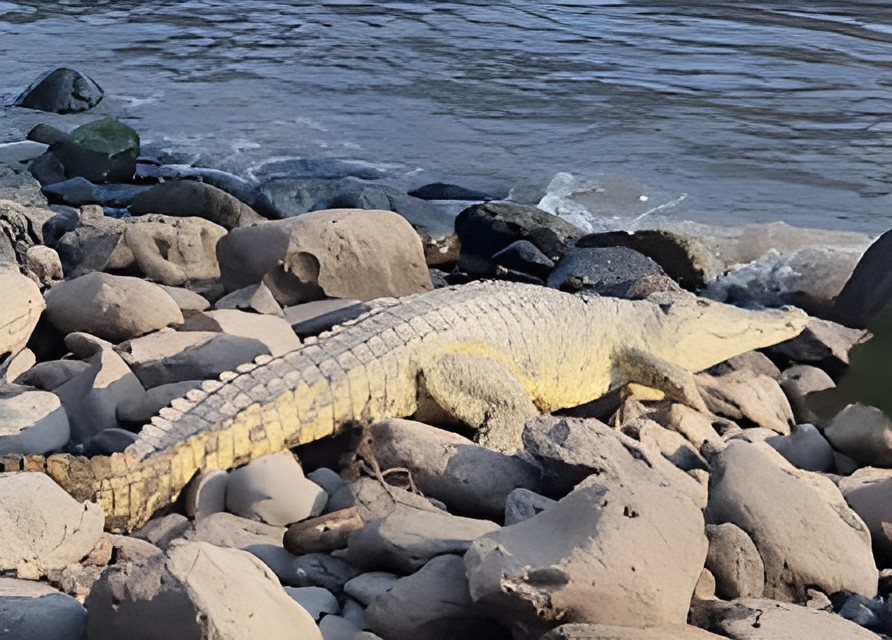
The lake supports aquatic wildlife and is particularly known for its large crocodiles.
Boat excursions can provide opportunities to observe crocodiles, hippos, birds, and the surrounding landscape.
The experience is very different from a conventional game drive.
Instead of moving through grassland looking for animals, you travel across the lake itself.
The water becomes your viewpoint.
The surrounding mountains and vegetation provide a spectacular backdrop.
Explore Nech Sar National Park
Near Arba Minch is Nech Sar National Park, a protected landscape between Lake Abaya and Lake Chamo.
The park includes grasslands, forests, wetlands, and wildlife habitats.
Depending on conditions, visitors may encounter various antelope species, zebras, baboons, and other wildlife.
The park also provides opportunities to experience the broader ecology of Southern Ethiopia.
For travelers who want a combination of wildlife and cultural tourism, the area around Arba Minch makes an excellent starting point.
Discover the Dorze Highlands
One of the most memorable cultural experiences in Southern Ethiopia is visiting the Dorze communities.
The Dorze are particularly known for traditional weaving, farming, distinctive houses, and food traditions.
Their traditional houses have a distinctive shape and are built using local materials.
But the architecture is only one part of the experience.
Visitors can learn about weaving, agriculture, food preparation, and everyday life in the highlands.
This is a good example of why Southern Ethiopia should not be approached simply as a sightseeing destination.
The most meaningful experiences often come from understanding how people live.
Konso: A Cultural Landscape Shaped by People
Further south lies Konso, one of Ethiopia’s most important cultural destinations.
The Konso Cultural Landscape was inscribed as a UNESCO World Heritage Site in 2011. UNESCO recognizes the area for its remarkable terraced agricultural landscapes, traditional settlements, and long-developed cultural practices adapted to challenging terrain.
The terraces are among the most impressive aspects of the landscape.
Stone walls and carefully managed agricultural fields cover hillsides, demonstrating generations of knowledge about farming, soil, water, and erosion.
The landscape is therefore not simply “natural.”
It is a product of people working with their environment over centuries.
Traditional Konso Villages
Konso settlements provide another important part of the experience.
Traditional villages can include stone walls, pathways, agricultural areas, and distinctive architectural features.
Walking through these settlements with a knowledgeable local guide allows visitors to understand how the community has organized its environment and preserved its traditions.
For photographers, the combination of stone architecture, terraces, hills, and traditional life creates extraordinary visual opportunities.
Journey Into the Omo Valley
As the journey continues south, the environment becomes increasingly different.
The Omo Valley is one of Ethiopia’s most culturally diverse regions.
The Lower Valley of the Omo is recognized by UNESCO as a World Heritage Site because of its extraordinary archaeological significance and evidence related to human evolution.
Today, travelers are also drawn to the region because of its diverse communities and distinctive cultural traditions.
Depending on the itinerary, travelers may encounter communities including:
- Hamer
- Mursi
- Karo
- Dassanech
- Ari
- Benna
- Tsemay
- Others in the region
Each community has its own history, traditions, environment, and way of life.
Experience Omo Valley Markets
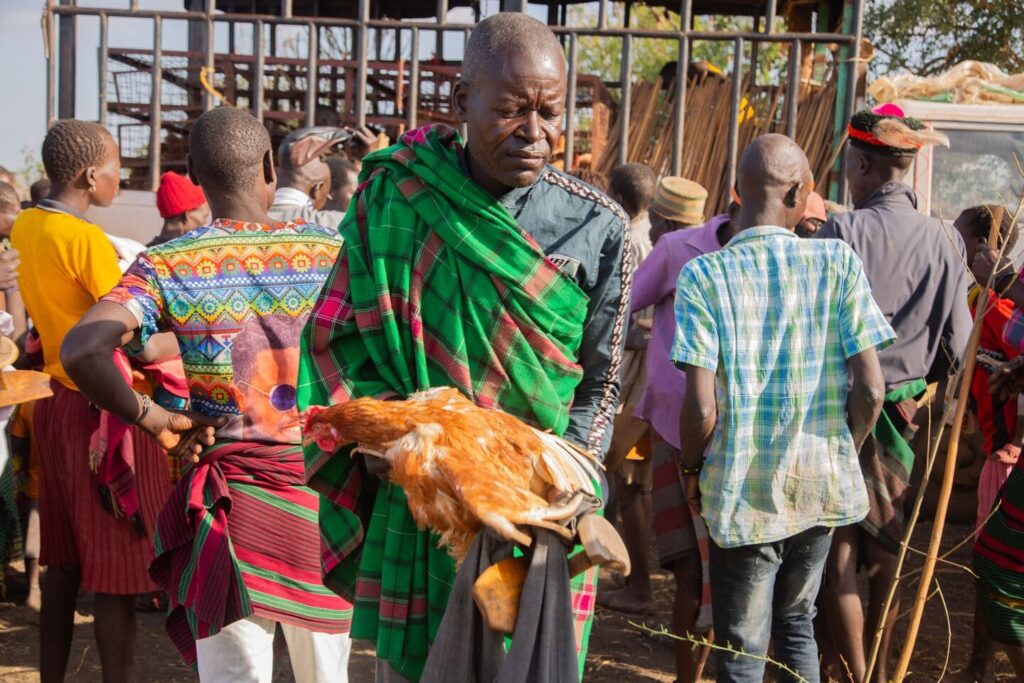
Markets are among the most interesting ways to experience Southern Ethiopia.
They bring together people from surrounding communities and provide opportunities to observe everyday commerce.
You may see:
- Local produce
- Livestock
- Clothing
- Jewelry
- Crafts
- Food
- Household goods
The atmosphere can be energetic and colorful.
For visitors, markets offer an opportunity to observe everyday life rather than a performance created specifically for tourists.
Cultural Tourism With Respect
Southern Ethiopia requires a thoughtful approach to cultural tourism.
Communities are not museums.
People are not attractions.
Travelers should ask permission before taking photographs, respect local customs, and follow the guidance of local people and guides.
The purpose of a cultural journey should be to learn and interact respectfully.
A knowledgeable local guide helps make that possible.
They can explain cultural practices, provide context, help with communication, and make sure visitors understand appropriate behavior.
The Landscape Changes Along the Journey
One of the best reasons to travel through Southern Ethiopia by road is the landscape.
The journey can move through:
Highlands → forests → lakes → agricultural valleys → dry plains → Omo Valley landscapes
This constant change makes the road journey itself part of the experience.
You are not simply traveling between two tourist destinations.
You are watching Ethiopia transform around you.
How Many Days Do You Need?
Southern Ethiopia deserves time.
A short itinerary might focus on Arba Minch and nearby attractions.
A longer journey can continue toward Konso and the Omo Valley.
Travelers interested in multiple communities should allow enough time for the distances involved.
Trying to rush through Southern Ethiopia defeats much of the purpose.
The region is best experienced at a pace that allows time for landscapes, markets, communities, and unexpected moments along the road.
Who Should Visit Southern Ethiopia?
Southern Ethiopia is ideal for:
- Cultural travelers
- Adventure travelers
- Photographers
- Families
- Couples
- Wildlife enthusiasts
- Anthropology and history enthusiasts
- Travelers looking for authentic experiences
- Travelers interested in local communities
- Visitors who want to go beyond conventional tourism
It is especially rewarding for people who value experiences over simply collecting photographs of famous landmarks.
Why Travel Southern Ethiopia With Local Experts?
The distances are large.
Road conditions can vary.
Community visits require local knowledge.
Market days matter.
Accommodation options differ from one destination to another.
And the best experiences are often not obvious from a map.
This is where a local operator becomes valuable.
Instead of giving every traveler the same rigid itinerary, Landscape Ethiopia Tours can build a journey around your interests, number of days, and preferred destinations.
Southern Ethiopia Is a Journey, Not Just a Destination
The real strength of Southern Ethiopia is not one particular landmark.
It is the combination.
A lake in the morning.
A mountain road in the afternoon.
A traditional village later in the day.
A local market the next morning.
And eventually the extraordinary cultural landscapes of the Omo Valley.
This is Ethiopia at its most diverse.
If you want to travel deeper into the country, Southern Ethiopia offers a journey that stays with you long after you return home.
Plan Your Southern Ethiopia Tour
Landscape Ethiopia Tours creates personalized journeys through Arba Minch, Konso, the Omo Valley, and other destinations across Southern Ethiopia.
Phone: +251 91 338 4298
Email: info@landscapeethiopiatour.com
Website: landscapeethiopiatour.com