
If you want to experience a side of Ethiopia that feels completely different from the country’s historic northern cities, the Omo Valley should be high on your list.
Located in southwestern Ethiopia, the Lower Omo region is one of the country’s most culturally and archaeologically significant areas. The Lower Valley of the Omo is recognized by UNESCO as a World Heritage Site because of its extraordinary archaeological importance, including discoveries that have contributed enormously to our understanding of human evolution.
Today, however, travelers are also drawn to the region for its cultural diversity, dramatic landscapes, traditional markets, and opportunity to learn about communities whose lives remain closely connected to their environment.
An Omo Valley tour is not a conventional sightseeing holiday.
It is a journey through southern Ethiopia where the road itself becomes part of the experience.
What Makes the Omo Valley So Special?
The Omo Valley is famous for its remarkable cultural diversity.
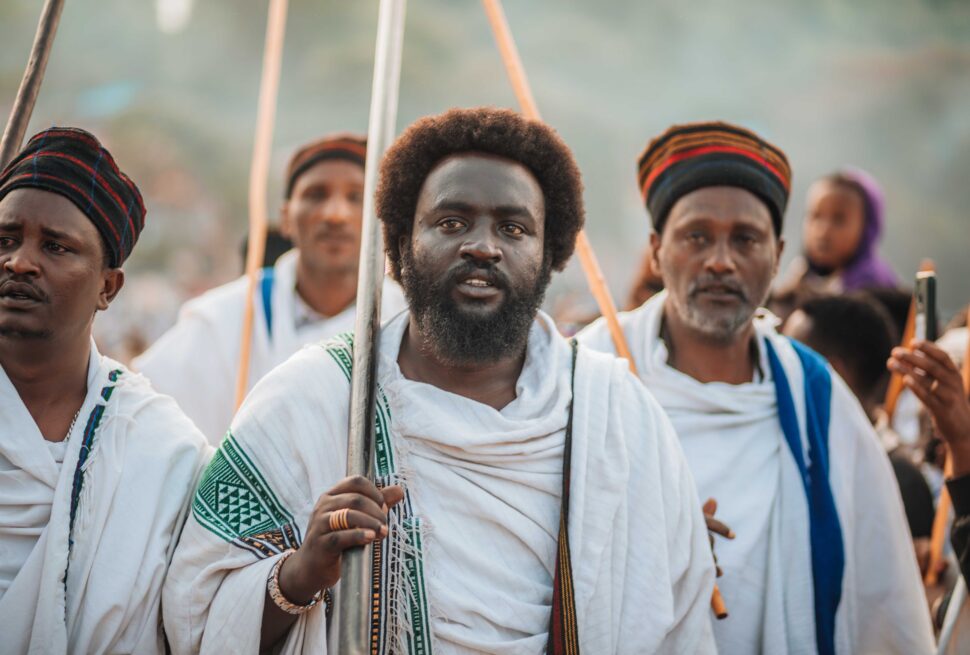
Different communities live across the region, each with their own languages, traditions, clothing, social structures, architecture, agricultural practices, and relationship with the surrounding environment.
Among the communities travelers may encounter are the Hamer, Mursi, Karo, Dassanech, Ari, Benna, Tsemay, Konso, and others, depending on the itinerary and current local arrangements.
The Ethiopian tourism authorities describe the Lower Omo as home to more than a dozen indigenous peoples, with the Omo River playing an important role in sustaining communities across the region.
This cultural diversity is one of the main reasons the Omo Valley has become one of Ethiopia’s most distinctive travel destinations.

Jinka: Gateway to the Omo Valley
For many travelers, Jinka serves as an important gateway to the Omo Valley.
The town is located in the South Omo Zone and provides access to several surrounding communities and destinations.
It is also a practical base from which to organize journeys deeper into the region.
A good itinerary can connect Jinka with places such as Turmi, Konso, local markets, and surrounding communities, depending on the route and the interests of the traveler.
Because distances can be significant and road conditions vary, Omo Valley travel is best planned carefully rather than treated as a destination where visitors simply arrive and improvise.
Meet the Hamer Community
The Hamer are one of the communities most frequently encountered by travelers in the southern Omo region.
Hamer communities are known for distinctive cultural traditions, clothing, beadwork, hairstyles, cattle-based livelihoods, and ceremonies.
Their relationship with cattle is particularly important to their social and economic life.
Travelers may have opportunities to visit communities, markets, and settlements with local guidance.
The important thing is to approach these encounters respectfully.
A cultural tour should not turn people into spectacles.
The purpose should be to understand the community, learn about its traditions, and interact appropriately with people who live there.
This is one of the reasons an experienced local guide is so valuable.
Discover the Mursi
The Mursi are another well-known community of the Lower Omo region.
They are recognized internationally for distinctive cultural traditions and forms of body adornment.
For visitors, the deeper value of a Mursi experience is not simply seeing traditional clothing or ornaments.
It is learning about the community’s history, environment, cattle-based livelihoods, social structures, and changing relationship with the outside world.
Photography also requires sensitivity.
Visitors should always follow local guidance and ask permission before photographing individuals.
Responsible cultural tourism begins with respect.
Explore Karo Culture and the Omo River
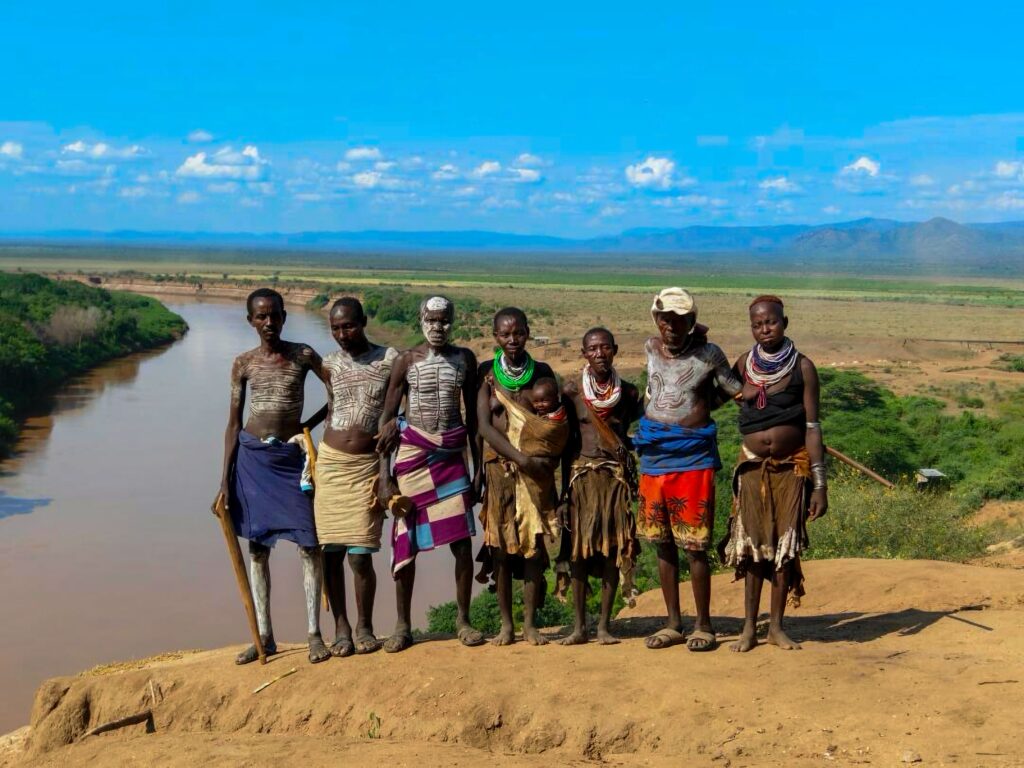
The Karo communities live along the Omo River and are known for distinctive body painting, cultural traditions, and artistic expression.
Their location along the river is important to understanding their way of life.
The Omo River is not just a geographical feature on a map.
It is one of the defining forces of the region.
It provides water and supports agriculture and communities across an otherwise challenging environment.
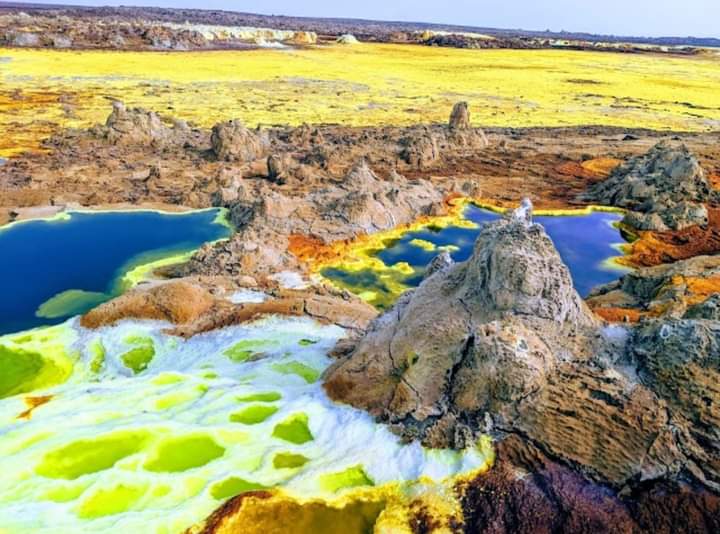
Traveling through the Omo Valley therefore means seeing how people have adapted to an environment that can be both beautiful and demanding.
Experience Local Markets
Markets are among the most interesting parts of an Omo Valley journey.
They bring together people from surrounding communities and provide opportunities to see local clothing, food, livestock, crafts, household goods, and everyday commerce.
Markets also offer a much more natural way to observe regional life than visiting a place where everything has been arranged solely for tourists.
Depending on your route, markets around the southern Omo region can become memorable highlights of the journey.
They are colorful, busy, social, and constantly changing.
Discover Konso
A journey through Southern Ethiopia can also include Konso, one of the region’s most culturally significant destinations.
The Konso Cultural Landscape is a UNESCO World Heritage Site. Its significance comes partly from the remarkable terraced agricultural landscape developed by the Konso people, demonstrating generations of adaptation to difficult terrain.
The landscape is itself part of the cultural experience.
Stone terraces, settlements, agricultural practices, and traditional knowledge demonstrate how communities can shape and manage their environment over centuries.
For travelers interested in the relationship between people and landscapes, Konso provides an important contrast to the communities farther south.
Dorze and the Southern Highlands
Depending on your itinerary, Southern Ethiopia can also take you toward the Dorze communities and the highland landscapes around Arba Minch.
Dorze villages are known for distinctive traditional houses, weaving, farming, and food culture.
The transition from the highlands toward the Omo Valley is one of the most interesting aspects of a southern Ethiopia journey.
The landscape changes.
The climate changes.
The architecture changes.
The food changes.
And the cultural traditions change.
That variety is what makes traveling through Southern Ethiopia so rewarding.
What Is an Omo Valley Tour Like?
An Omo Valley journey is different from a typical city-based holiday.
Expect:
- Long road journeys
- Changing landscapes
- Rural environments
- Local markets
- Cultural encounters
- Limited infrastructure in some areas
- Early starts
- Flexible schedules
- Opportunities for photography
- Time spent with local guides and communities
The journey can be physically demanding at times, but that is also what makes it memorable.
You are not simply moving between attractions.
You are traveling through a living cultural landscape.
How Many Days Do You Need?
The ideal length depends on what you want to see.
A short itinerary can focus on a limited number of communities and destinations.
A longer Omo Valley tour allows more time to travel between communities, explore markets, include Konso or Arba Minch, and experience the region without rushing.
For travelers interested in several different communities, allocating more days is generally preferable to trying to cover everything in a few rushed days.
Why Travel With a Local Omo Valley Guide?
Local knowledge is especially important in the Omo Valley.
Routes, community access, local customs, market days, transportation, accommodation, and cultural protocols all matter.
A knowledgeable guide can help visitors understand what they are seeing instead of simply driving from one location to another.
They can also help bridge communication between travelers and local communities.
This makes the experience more meaningful for both sides.
Responsible Cultural Tourism in the Omo Valley
The Omo Valley is a culturally sensitive destination.
Visitors should remember that communities are not museums and people are not attractions.
Ask before taking photographs.
Respect religious and cultural practices.
Follow local guidance.
Avoid treating traditional clothing, ceremonies, or physical appearance as entertainment.
Choose operators who understand the region and work respectfully with local communities.
When done properly, cultural tourism can create meaningful exchanges and support local livelihoods while giving travelers a deeper understanding of Ethiopia.
Why Visit the Omo Valley?
Visit if you want to:
- Experience one of Ethiopia’s most culturally diverse regions
- Explore Southern Ethiopia
- Meet local communities respectfully
- Visit traditional markets
- Discover dramatic landscapes
- Learn about different ways of life
- Combine culture with nature and adventure
- Travel beyond conventional tourist routes
The Omo Valley is not for travelers looking for a quick checklist of attractions.
It is for travelers who want to slow down, observe, learn, and experience another side of Ethiopia.
Start Your Omo Valley Journey
Landscape Ethiopia Tours creates tailor-made journeys through the Omo Valley and Southern Ethiopia, allowing travelers to build an itinerary around their interests, available time, and preferred destinations.
Phone: +251 91 338 4298
Email: info@landscapeethiopiatour.com
Website: landscapeethiopiatour.com